Building materials
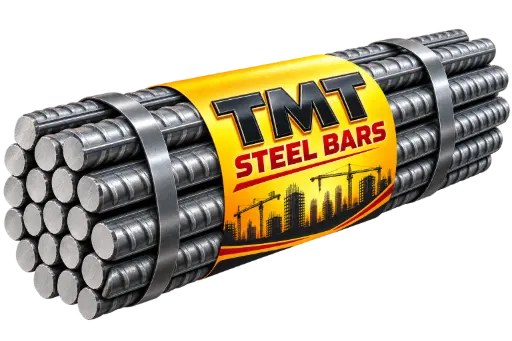
TMT Bar Grades Explained: Fe 500 vs Fe 500D vs Fe 550D
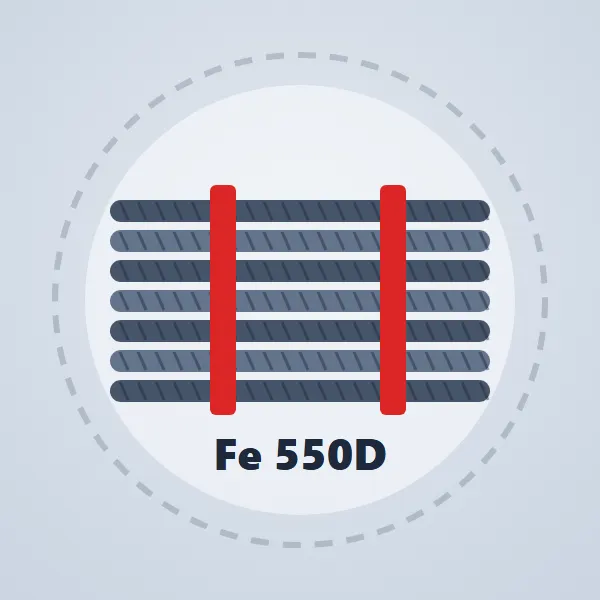
The number is the yield strength; the "D" is about ductility. Here is what each TMT grade means and which one your building needs.

TMT steel, AAC blocks, bricks, sand, aggregates, waterproofing and putty.
The number is the yield strength; the "D" is about ductility. Here is what each TMT grade means and which one your building needs.
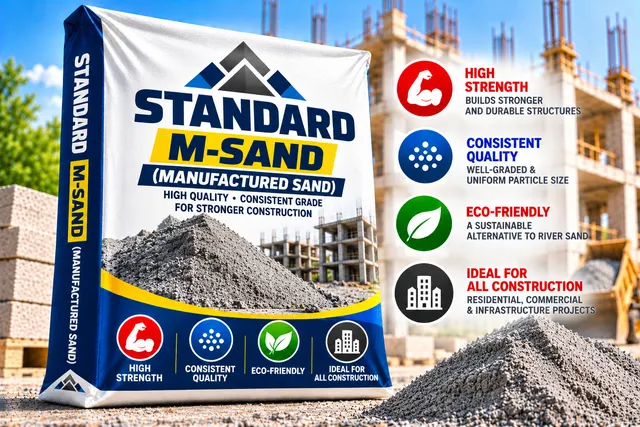
With river sand scarce and regulated in many states, M-sand has become mainstream. Here is how it compares and how to use it well.
Steel is the most expensive structural material on most sites. These eight checks help you avoid underweight, mislabelled and substandard bars.
Silty sand weakens concrete and cracks plaster. This ten-minute setup and a three-hour wait tells you whether to accept a load.
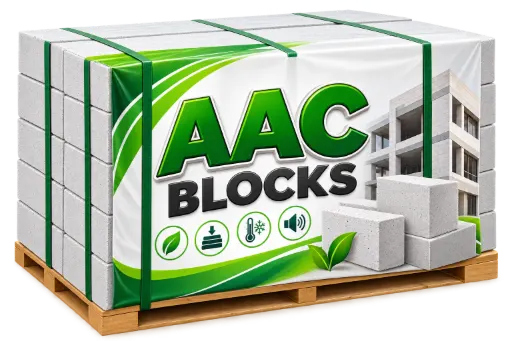
AAC blocks are about a third of the weight of clay bricks and much better insulators. But bricks still have their place. Here is a fair comparison.
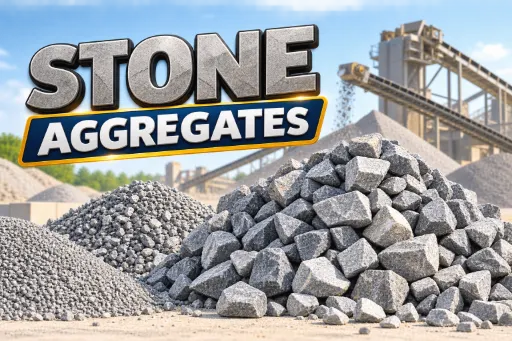
Aggregate size affects strength, workability and finish. Here is how to pick between 10 mm, 20 mm and 40 mm — and why most RCC uses a blend.
AAC blocks are easy to lay — and easy to lay wrongly. Follow these steps to get straight, crack-free walls.
Leaks are the most common complaint in Indian homes. Most come from a few avoidable mistakes in slope, detailing and surface preparation.
Fly ash bricks turn power-plant ash into a uniform, strong walling unit. Here is how they compare with traditional burnt clay bricks.
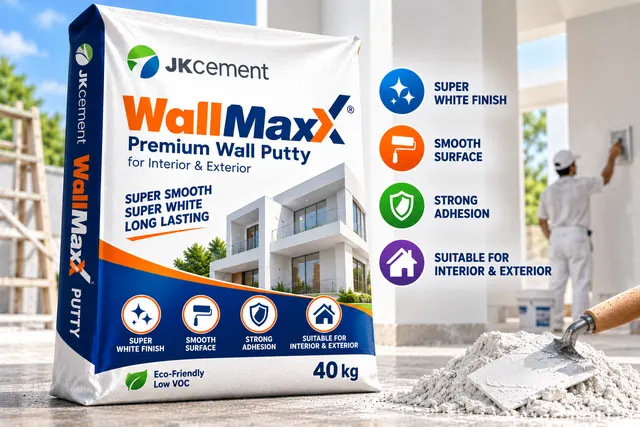
Wall putty fills minor plaster imperfections and gives paint a smooth, durable base. Here is how to choose, estimate and apply it.
Get an itemised quotation with cement, freight, unloading and GST shown line by line — and deliveries scheduled to your programme.