Hot Weather Concreting: 10 Tips to Prevent Cracks and Strength Loss
Indian summers dry and stiffen concrete fast. These ten tips help you place, finish and cure concrete without plastic shrinkage cracks or lost strength.
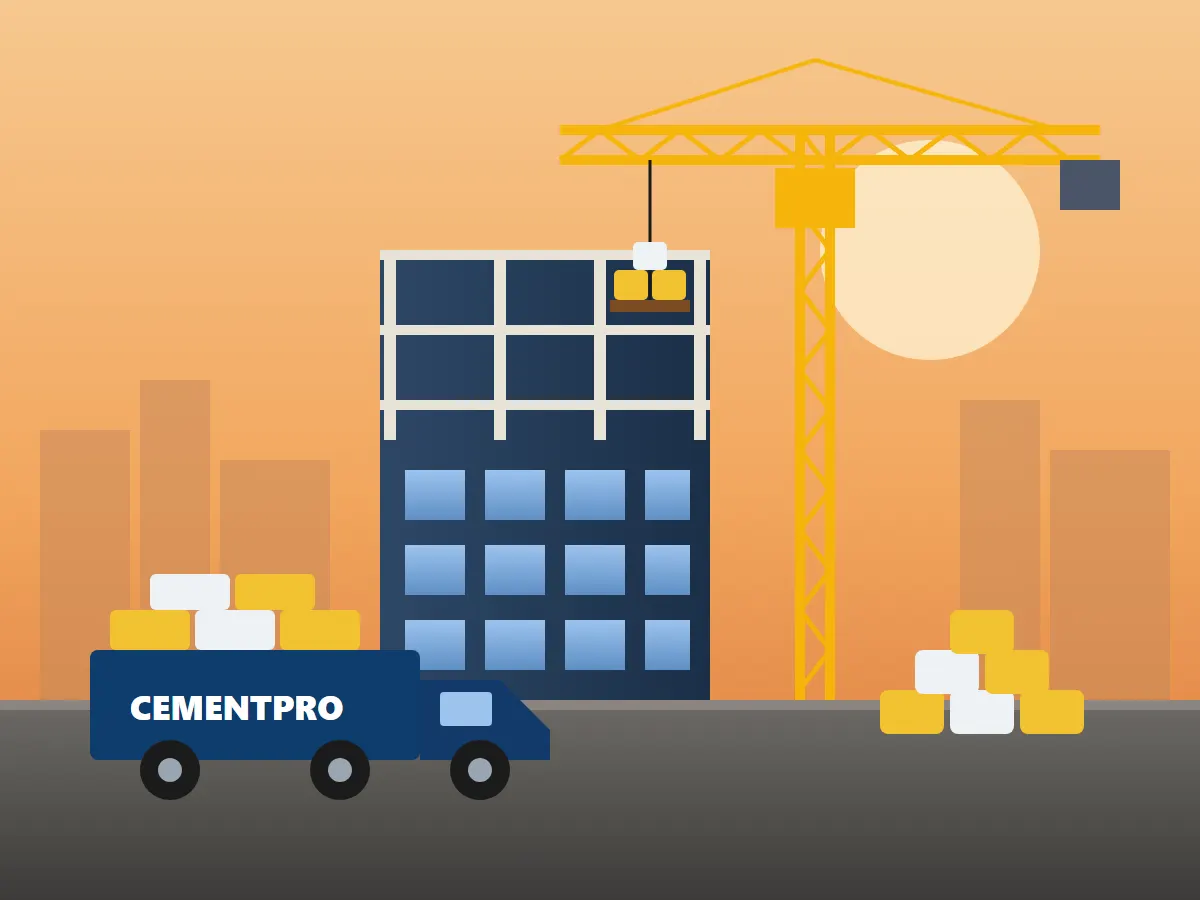
In hot weather, concrete sets faster, loses water quickly and is prone to plastic shrinkage cracks. Pour in the cooler hours (early morning or evening), keep aggregates shaded and use cool mixing water, wet the formwork and sub-base, mix smaller batches and place them quickly, use a retarding or plasticising admixture if specified, protect the surface from sun and wind immediately after finishing, and start curing early and continue for longer. IS 7861 (Part 1) gives detailed guidance.
What heat does to fresh concrete
- Faster setting — less time to place and compact; risk of cold joints. See setting time.
- Rapid evaporation — surface dries before it gains strength, causing plastic shrinkage cracks.
- Higher water demand — tempting crews to add water, which cuts strength. See water-cement ratio.
- Lower long-term strength when concrete cures hot.
Indian guidance on hot weather concreting is given in IS 7861 (Part 1). A common target is to keep fresh concrete temperature below about 35–40 °C at placement, as your specification requires.
10 tips for summer concreting
1. Pour in cooler hours. Start at dawn or in the late evening. Avoid the midday sun for slabs.
2. Keep aggregates cool. Stockpile in shade and sprinkle with water (then allow for moisture in the mix).
3. Use cool mixing water. Store water in shaded tanks; ice may be used on large jobs if specified.
4. Shade cement and keep bags out of the sun. Hot cement raises mix temperature.
5. Wet formwork, reinforcement and sub-base before placing so they do not suck water from the concrete — but leave no standing water.
6. Mix smaller batches and place quickly. Have enough labour, vibrators and a standby mixer so nothing waits.
7. Use admixtures where specified. Retarders extend setting time; plasticisers maintain workability without extra water.
8. Protect immediately after finishing. Wind breaks, sunshades, wet hessian held above the surface, or polythene sheets. Fog spraying reduces evaporation without washing the surface.
9. Start curing early and continue longer. At least 10 days for OPC and 14 days or more for blended cement in hot, dry weather. See curing methods.
10. Never re-temper. Concrete that has stiffened must not be revived with water.
Spotting plastic shrinkage cracks
Plastic shrinkage cracks appear within hours, often in parallel or map patterns on slab surfaces. If you see them while concrete is still plastic, re-trowel or revibrate the surface as advised by your engineer to close them, and protect the surface immediately.
Cement choice in summer
PPC and PSC release heat more gently than OPC 53 and can be helpful in summer — but they need longer curing.
Key takeaways
- Heat speeds setting and evaporation, causing cracks and lower strength.
- Pour early or late, cool materials, place fast and protect at once.
- Extend curing in hot, dry weather.
Frequently asked questions
What is the best time to cast a slab in summer?
Early morning or late evening, when air temperatures are lower and evaporation is slower.
What causes plastic shrinkage cracks?
Rapid evaporation of water from the surface of fresh concrete before it has gained strength, typically due to heat, wind and low humidity.
Can I add ice to concrete in summer?
On larger jobs, ice or chilled water is sometimes used to lower concrete temperature, as specified by the engineer. It must replace part of the mixing water, not add to it.
Need materials for this work?
See indicative delivered prices for your pincode, or get an itemised project quotation with freight, unloading and GST shown line by line.
This guide is general information for planning and buying. Quantities, grades and methods for your structure must follow your approved drawings, your engineer’s specification and the applicable Indian Standards.