Sulphate Resisting Cement (SRC): What It Is and When You Need It
Sulphates in soil and water can make concrete swell and crumble. SRC is designed to resist that attack. Learn when it is required and how it compares with PSC and PPC.
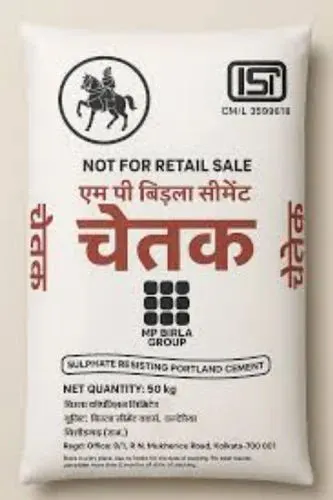
Sulphate Resisting Cement (SRC) is a Portland cement with a very low tricalcium aluminate (C3A) content — not more than 5% under IS 12330 — so it reacts far less with sulphates. It is used for foundations, piles, basements, sewers and effluent structures in soils or groundwater with high sulphate levels, typically when a soil test or the structural design calls for it.
What is sulphate attack?
Sulphates of sodium, magnesium and calcium occur naturally in some soils, groundwater, sea water and industrial effluents. When they penetrate concrete, they react with hydrated tricalcium aluminate (C3A) compounds to form ettringite and gypsum, which occupy more volume than the original compounds. The concrete swells, cracks, loses strength and eventually crumbles — often starting at the surface and working inwards.
Sulphate attack is slow, but it is expensive to repair because it usually affects buried elements like footings and piles.
How does SRC resist sulphates?
Sulphate Resisting Cement is made to IS 12330 with a tightly controlled chemistry. The key requirement is a C3A content of not more than 5% (ordinary OPC typically has more). With less C3A available, there is far less material to react with sulphates.
When do you need SRC?
Use SRC when the design or a soil investigation shows significant sulphate concentration in the soil or groundwater. Typical situations:
- Foundations, piles and pile caps in sulphate-rich or saline soils
- Basements and retaining walls with aggressive groundwater
- Sewers, manholes and effluent treatment structures
- Structures near chemical or fertiliser plants
- Some coastal works (as decided by the designer)
IS 456 grades exposure conditions and sets minimum cement content and maximum water-cement ratio for each. For high sulphate classes, it recommends sulphate-resisting cement or suitable blended cements together with dense, low-permeability concrete.
SRC vs PSC vs PPC for sulphates
| Option | How it resists | Notes |
|---|---|---|
| SRC | Low C3A — fewer reactive compounds | Specifically designed for sulphate exposure |
| PSC (high slag) | Dense microstructure, diluted C3A | Also excellent against chlorides |
| PPC | Fly ash consumes calcium hydroxide, lowers permeability | Good for moderate exposure |
Good practice with SRC
- Keep water-cement ratio low — dense concrete matters as much as cement type.
- Compact thoroughly with vibrators; honeycombs let sulphates in.
- Provide adequate cover to reinforcement as per the drawing.
- Cure properly — at least 7 days of moist curing, more in hot weather.
- Do not mix SRC with other cements in the same batch.
Availability and ordering
SRC is a specialised product and is not stocked everywhere. Plan your order in advance, especially for pile and foundation work that cannot wait. You can request a quote for SRC alongside the rest of your project materials.
Key takeaways
- Sulphate attack makes concrete swell and crumble, mostly underground.
- SRC limits C3A to 5% or less under IS 12330.
- Use it when soil or water tests or the design require it.
- Low water-cement ratio and good compaction are essential either way.
Frequently asked questions
What is the full form of SRC cement?
SRC stands for Sulphate Resisting Cement, a Portland cement with low tricalcium aluminate (C3A) content made to IS 12330.
Is SRC good for marine construction?
SRC resists sulphates but is not specifically designed against chlorides, which cause rebar corrosion in marine conditions. Designers often prefer PSC or special mix designs for marine works.
How do I know if my site needs SRC?
A soil and groundwater test reports sulphate content. Your structural engineer compares it with IS 456 exposure classes and specifies the cement type and concrete grade.
Can SRC be used for normal construction?
Yes, it can, but it is usually more expensive and less widely stocked, so it is generally reserved for sulphate-exposed elements.
Need materials for this work?
See indicative delivered prices for your pincode, or get an itemised project quotation with freight, unloading and GST shown line by line.
This guide is general information for planning and buying. Quantities, grades and methods for your structure must follow your approved drawings, your engineer’s specification and the applicable Indian Standards.